
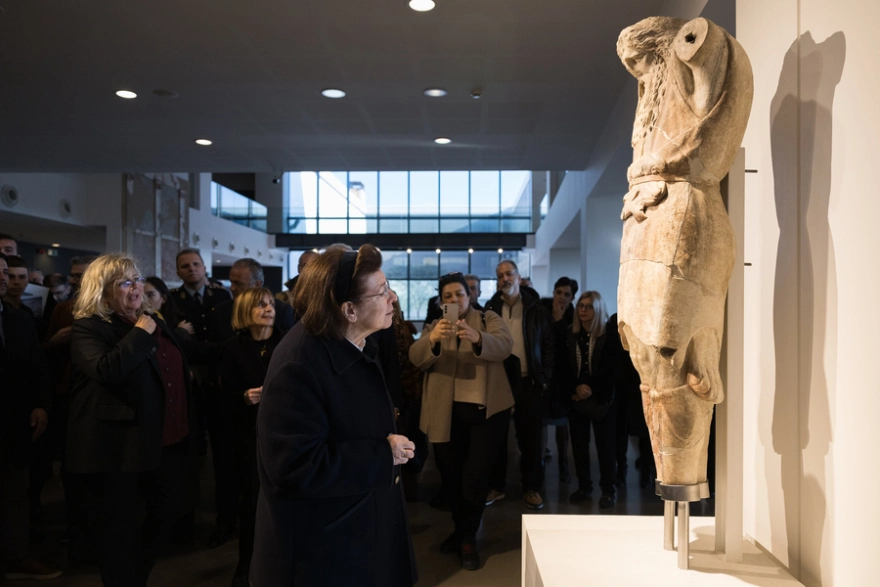
Ancient treasures unveiled: The Royal Palace of Pella opens to the public with stunning statues
- Written by E.Tsiliopoulos

This sprawling 70-acre complex, situated on a hill overlooking the ancient city, reveals the grandeur of Macedonian royalty and their lifestyle during the Hellenistic era.

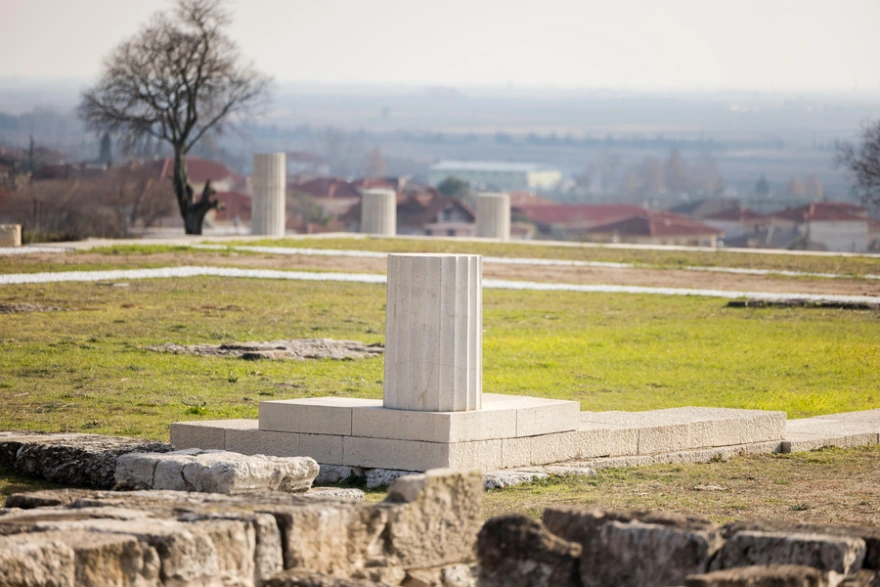

The palace itself, built in phases from the reign of Philip II through the Hellenistic period, housed grand reception halls, royal apartments, council chambers, and even a palaestra for the training of noble youths. Although looted and abandoned after the Roman conquest in 168 BC, the site’s ongoing excavation and restoration have transformed it into a must-visit destination.
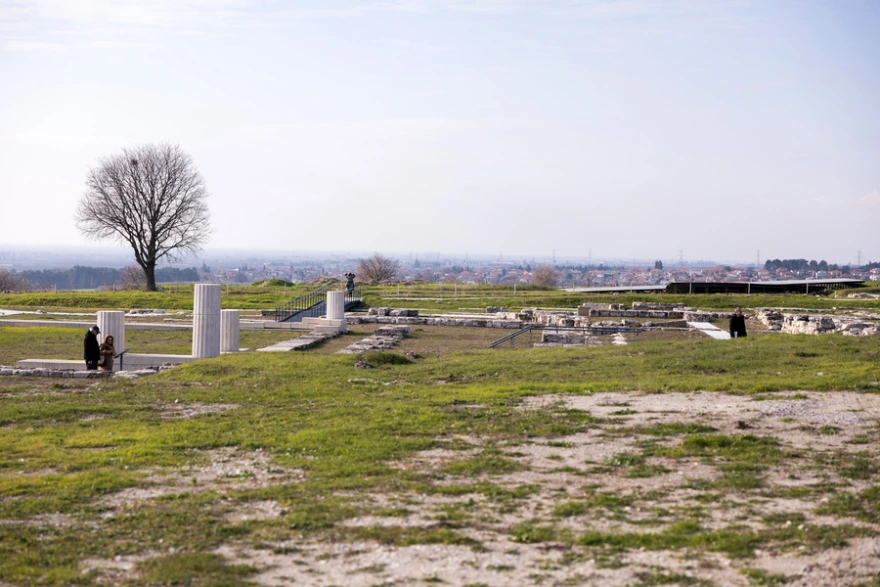
Visitors will also find a newly inaugurated visitor center offering interactive exhibits and digital guides to help them explore the site’s foundations and understand its historical significance. Starting next tourist season, digital tickets and virtual tours will enhance access, as part of a broader initiative to unify over 300 archaeological sites across Greece into a single digital platform.

The opening marks a new chapter for Pella, blending ancient history with modern technology and celebrating the legacy of one of the world’s most legendary figures.
Related items
-
 Athens a new hub for hedge funds: After Chris Rokos, Easy Englander's American Millennium also in Greece
-
 Three young Sumatran tiger cubs were born at the Attica Zoological Park
-
 Gerapetritis on Turkey: We have ready-made scenarios for anything - Whoever shouts is not always the most powerful
-
 Billionaire hedge fund manager Chris Rokos to move tax residency to Greece
-
 "I didn't have it on the agenda, but now that you mention it...": Mitsotakis' humorous response to influencer for the opening of her croissant bar in Paris
Latest from E.Tsiliopoulos
- Athens a new hub for hedge funds: After Chris Rokos, Easy Englander's American Millennium also in Greece
- Three young Sumatran tiger cubs were born at the Attica Zoological Park
- Gerapetritis on Turkey: We have ready-made scenarios for anything - Whoever shouts is not always the most powerful
- Billionaire hedge fund manager Chris Rokos to move tax residency to Greece
- "I didn't have it on the agenda, but now that you mention it...": Mitsotakis' humorous response to influencer for the opening of her croissant bar in Paris